


Bipolar Disorder Treatment in Boston — Expert Psychiatric Care for Lasting Stability
If you or someone you love is caught between racing, sleepless highs and crushing lows, the right care can change everything. Zen Minds Psychiatry delivers specialized bipolar disorder treatment in Boston and
Wellesley — combining accurate diagnosis, modern medication management, and evidence-based therapy to stabilize mood and rebuild day-to-day life. We are a focused Bipolar Disorder Treatment Center in Boston led by a Harvard-affiliated, Mayo Clinic–trained psychiatrist. Whether you need in-person care in Greater Boston or telepsychiatry anywhere in Massachusetts, you’ll be treated by clinicians who specialize in mood disorders — not generalists.
✓ Now accepting new patients in Boston, Wellesley, Newton, Brookline & Cambridge.
✓ In-person & telepsychiatry visits | Most major insurance plans accepted.
✓ Same-week consultations available.

Meet Your Bipolar Disorder Specialist in Boston
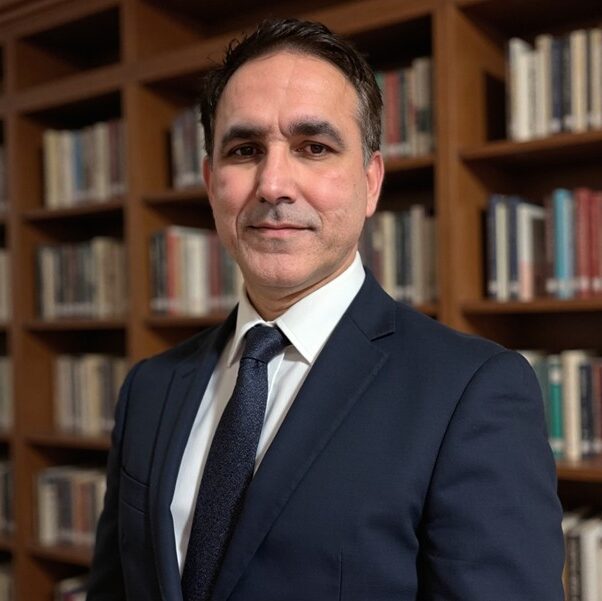
Dr. Amit Chopra, MD
Board-Certified Psychiatrist | Harvard Medical School Faculty | Mayo Clinic–Affiliated Mood Disorders Specialist With 20+ years of clinical practice, Dr. Chopra is one of the most trusted bipolar disorder therapists in Boston and Wellesley. He has spent his career working with adults whose mood disorders have not responded to standard treatment — including Bipolar I, Bipolar II, cyclothymic disorder, and treatment-resistant bipolar depression.
His approach blends evidence-based psychiatry with personalized care, so every plan accounts for your medication history, family situation, sleep patterns, work demands, and long-term goals.
• ✓ Trusted by patients across Greater Boston, Wellesley, Newton, and Cambridge
• ✓ Expertise in medication management + integrated therapy
• ✓ Focus on long-term stability, not just symptom suppression.
• ✓ This page is medically reviewed by Dr. Amit Chopra
What Is Bipolar Disorder? and How Bipolar disorder therapist in Boston Can Help
Bipolar disorder is a chronic mood disorder marked by extreme, recurring shifts in mood, energy, sleep, and behavior. These swings go far beyond ordinary ups and downs and can disrupt relationships, careers, and physical health if left untreated.
Episodes typically include:
• Mania or hypomania — elevated mood, high energy, reduced need for sleep, and impulsive choices
• Depression — persistent low mood, fatigue, and loss of interest in things that once mattered
• Mixed features — symptoms of mania and depression at the same time, often the most distressing
presentation.
Without proper treatment, episodes can become more frequent and more severe — which is why early diagnosis by a bipolar disorder specialist matters.

Symptoms of Bipolar Disorder

Manic or Hypomanic Symptoms
- Elevated mood, euphoria, or unusual irritability
- Markedly reduced need for sleep without feeling tired
- Racing thoughts, rapid speech, or jumping between ideas
- Impulsive spending, risky sex, or sudden major decisions
- Inflated self-confidence or grandiosity
- Increased agitation, restlessness, or hostility
Depressive Symptoms
- Persistent sadness, emptiness, or hopelessness
- Loss of interest in work, hobbies, or relationships
- Low energy and severe fatigue, even after rest
- Difficulty concentrating, remembering, or making decisions
- Significant changes in sleep or appetite
- Thoughts of self-harm
Types of Bipolar Disorder We Treat
Identifying the correct type of bipolar disorder is the foundation of every effective treatment plan.
• Bipolar I Disorder — at least one full manic episode lasting a week or more, often alongside depressive
episodes; sometimes severe enough to require hospitalization.
• Bipolar II Disorder — recurring episodes of depression alternating with hypomania (a less intense, often
functional form of mania).
• Cyclothymic Disorder — chronic, less severe mood fluctuations that nevertheless cause real distress and
can develop into Bipolar I or II if untreated.
• Bipolar disorder with mixed features — manic and depressive symptoms occurring together, requiring
specialized medication strategies.
• Rapid-cycling bipolar disorder — four or more mood episodes in a single year.
Why Choose Zen Minds Psychistry:
- 20+ Year of Elite Psychiatric Expertise
- Harvard & Mayo Clinic- affiliated specialist
- Personalized Patient first care for greater boston
- Treatments Grounded in Research
- Dedicated ongoing support & local follow-ups

What Causes Bipolar Disorder?
Bipolar disorder rarely has a single cause. Most patients we see in Boston and Wellesley have a combination of:

Brain chemistry differences
particularly involving dopamine, serotonin, and glutamate signaling
Genetics and family history
roughly 80–90% of people with bipolar disorder have a relative with bipolar disorder or major depression
Stress and trauma
— major life events can trigger first or recurrent episodes
Sleep disruption
shift work, jet lag, or insomnia can directly precipitate mania
When Should You See a Bipolar Disorder Specialist?
Reach out to a bipolar disorder specialist in Boston or Wellesley if you notice any of the following:
• Mood swings are interfering with work, school, or relationships
• You cycle between long lows and bursts of high energy or irritability
• Antidepressant treatment hasn’t worked — or seems to make things worse
• You’re sleeping far less or far more than usual without explanation
• Family or friends have noticed changes you can’t fully see yourself
• You have a family history of bipolar disorder or suicide
Earlier care leads to fewer hospitalizations, faster stabilization, and better long-term outcomes.

Bipolar Disorder Treatment Options at Zen Minds Psychiatry
As a focused Bipolar Disorder Treatment Center in Boston, we offer a complete continuum of evidence-based
care for adults.
1. Medication Management
Medication is the foundation of stable bipolar care. Dr. Chopra carefully selects, titrates, and monitors:
• Mood stabilizers such as lithium, valproate, and lamotrigine
• Atypical antipsychotics for acute mania, mixed features, or maintenance
• Targeted treatments for bipolar depression to avoid triggering manic switches
• Adjunctive medications for sleep, anxiety, or co-occurring conditions
We track response, side effects, and labs (including lithium levels and thyroid function) so your regimen stays
safe over the long term.
2. Therapy & Counseling
Medication works best alongside the right therapy. We integrate or coordinate:
• Cognitive Behavioral Therapy (CBT) for managing depressive thoughts and behaviors
• Dialectical Behavior Therapy (DBT) skills for emotion regulation and distress tolerance
• Interpersonal & Social Rhythm Therapy (IPSRT) to stabilize sleep, routines, and relationships — proven
to reduce bipolar relapse.
• Family-focused therapy to help loved ones understand triggers and warning signs
• Psychoeducation and structured mood tracking so you can spot early shifts and act sooner.
3. Advanced Options for Treatment-Resistant Bipolar Depression
When standard treatments haven’t worked, Dr. Chopra evaluates options including TMS (Transcranial Magnetic
Stimulation) and other neuromodulation referrals, esketamine where appropriate, and careful augmentation
strategies — always weighing the risk of triggering hypomania.
4. Integrated Sleep & Lifestyle Care
Sleep disruption is one of the most reliable triggers for manic and depressive episodes. We treat sleep disorders,
light exposure, exercise, and substance use as core parts of bipolar care, not afterthoughts.

How Treatment Works at Zen Minds Psychiatry
1. Comprehensive psychiatric evaluation — a careful review of mood history, sleep, family history, and prior treatments.
2. Accurate diagnosis — Bipolar I, Bipolar II, cyclothymic disorder, or related condition, with screening for co-occurring anxiety, ADHD, or substance use.
3. Customized treatment plan — medication, therapy, and lifestyle interventions matched to your goals.
4. Integrated medication + therapy — delivered in-person in Boston or Wellesley, or via telepsychiatry across Massachusetts.
5- Regular follow-ups & progress tracking — mood charting, lab monitoring, and adjustments as life changes.
Service Areas — Boston, Wellesley & Greater Massachusetts
We serve patients in person and through secure telepsychiatry across Massachusetts, including:
• Boston — Back Bay, Beacon Hill, South End, Fenway, Seaport, Brighton, Allston, Charlestown
• Wellesley & MetroWest — Wellesley Hills, Newton, Needham, Weston, Natick, Wellesley Center
• Greater Boston — Cambridge, Brookline, Somerville, Watertown, Arlington, Quincy
• Telepsychiatry — available statewide for established and new Massachusetts patients

Insurance & Telepsychiatry Options
Mental health care should be accessible. Zen Minds Psychiatry offers:
• ✓ In-person consultations in Boston and Wellesley
• ✓ Secure telepsychiatry across Massachusetts
• ✓ Most major insurance plans accepted (verify yours when you book)
• ✓ Transparent self-pay rates if you are out-of-network
Ready to Get Help?
If you’re searching for trusted bipolar disorder treatment in Boston or Wellesley, you don’t have to keep
guessing what’s happening or why nothing has worked. Our team is ready to listen, diagnose accurately, and
build a plan with you.
Book Your Consultation Today
In-person in Boston & Wellesley | Telepsychiatry across Massachusetts
Frequently Asked Questions:
A board-certified psychiatrist diagnoses bipolar disorder through a detailed clinical interview that reviews your
mood history, sleep patterns, family history, prior treatments, and any co-occurring conditions. There is no
single blood test or scan, so accurate diagnosis depends on the experience of the clinician — which is why
specialist care matters.
Bipolar I involves at least one full manic episode that lasts a week or longer (or requires hospitalization), often
alongside depression. Bipolar II involves recurring depressive episodes plus hypomania — a less intense, shorter
form of mania. Both are serious, and both respond to specialized treatment.
Bipolar disorder is a lifelong condition, but it is highly treatable. With the right combination of medication,
therapy, and lifestyle support, most people achieve long stretches of stability and live full lives. The goal is not a
one-time cure but durable, ongoing wellness.
Yes. Zen Minds Psychiatry accepts most major insurance plans for bipolar disorder treatment in Boston and
Wellesley. We'll verify your benefits before your first visit and explain any costs up front.