


Yes. We’re currently accepting new in-person clients on Mondays, evenings 5–8pm, at our Wellesley Hills office.

Psychiatric Care · Evidence-Based Treatment
PTSD (Post-Traumatic Stress Disorder) Treatment
Flashbacks, nightmares, feeling constantly on edge, or emotionally numb long after a traumatic event — these aren’t a character flaw or something you should have “moved past” by now. PTSD is a real, treatable psychiatric condition. Dr. Amit Chopra, MD offers a thorough clinical evaluation and evidence-based treatment for PTSD and trauma-related symptoms.

Trauma-informed care — A calm, judgment-free evaluation process
Therapy + medication — Matched to your specific symptoms and history
Evening hours — In-person at our Wellesley Hills office
PTSD Definition & Meaning
What is PTSD?
PTSD, or Post-Traumatic Stress Disorder, is a psychiatric condition that can develop after experiencing or witnessing a traumatic event — an accident, assault, combat, a natural disaster, or any event that involved actual or threatened death, serious injury, or violence. People searching “what is PTSD” or “PTSD meaning” are often trying to understand why the aftermath of trauma hasn’t faded on its own, even long after the event itself is over.
PTSD isn’t just “being upset” about something that happened — it’s a distinct set of symptoms across four categories: intrusive memories (like flashbacks and nightmares), avoidance of reminders, negative changes in mood and thinking, and changes in arousal and reactivity (like being easily startled or constantly on guard). Symptoms need to last more than a month and cause real distress or impairment for a formal PTSD diagnosis.
It’s also worth noting that PTSD isn’t limited to combat veterans, though that’s a common assumption — it can follow any traumatic experience, including childhood trauma, medical trauma, sexual assault, domestic violence, or a serious accident. Complex PTSD (C-PTSD) is a related concept describing PTSD arising from prolonged or repeated trauma, often in childhood, with some additional symptoms around emotional regulation and self-concept.
Why choose Zen Minds for PTSD treatment
Real psychiatric expertise
Dr. Chopra is a psychiatrist at Massachusetts General Hospital and Assistant Professor of Psychiatry at Harvard Medical School — thoughtful, trauma-informed diagnosis and medication management.
A judgment-free evaluation
You control how much detail you share about the trauma itself — a diagnosis doesn’t require reliving every detail before you feel ready.
Sleep & PTSD, together
Because Dr. Chopra is also a sleep medicine specialist, the nightmares and sleep disruption that are core to PTSD are addressed directly, not treated as a side issue.
In-person & flexible scheduling
In-person sessions at our Wellesley Hills office, with evening appointments available for patients balancing work or school.
Signs & Symptoms
PTSD symptoms
PTSD symptoms fall into four recognized categories, and most people experience symptoms from each:
- Intrusive memories, flashbacks, or distressing nightmares about the event
- Persistent negative beliefs about yourself, others, or the world
- Being easily startled, constantly on guard, or hypervigilant
- Intense physical or emotional distress when reminded of the trauma
- Avoiding people, places, or conversations that are reminders of the trauma
- Feeling emotionally numb or detached from people you care about
- Difficulty sleeping, concentrating, or irritability that feels out of proportion
If you’re having thoughts of suicide or self-harm, please reach out right away — call or text 988 (Suicide & Crisis Lifeline) any time, day or night. You don’t have to wait for a scheduled appointment to get support.
Self-Care & Daily Strategies
What actually helps at home
Some strategies genuinely support PTSD recovery day to day, alongside professional treatment:
Habits That Help
- Grounding techniques (like naming five things you can see) during a flashback or panic
- A consistent sleep schedule, since nightmares and insomnia are core PTSD symptoms
- Staying connected to at least one trusted, supportive person
- Regular, gentle physical activity to help regulate a hyperaroused nervous system
Worth Avoiding
- Alcohol or substances used to numb symptoms, which tend to worsen PTSD over time
- Total avoidance of every reminder, which can shrink your world over time
- Isolating completely, even when connection feels difficult
- Believing you should "just get over it" without support
These strategies help manage day-to-day symptoms, but PTSD usually needs trauma-focused professional treatment to fully resolve — self-management alone rarely gets to the root of it.
What Causes PTSD
What causes PTSD?
PTSD develops after exposure to trauma, but not everyone who experiences trauma develops PTSD — several factors influence risk:
Type & severity of trauma
Direct threat to life, repeated trauma, or trauma involving another person’s intent to harm raises risk
Prior trauma history
Earlier traumatic experiences, especially in childhood, increase vulnerability to PTSD after a later event
Lack of support afterward
Limited social support following the event is one of the strongest predictors of who develops PTSD
Genetics & brain chemistry
Some people are biologically more vulnerable to developing PTSD after the same event
Co-occurring conditions
Existing depression, anxiety, or substance use can increase the likelihood of developing PTSD
Ongoing stress
Continued life stress after the trauma can prolong or worsen PTSD symptoms
How PTSD Is Diagnosed
How we diagnose PTSD
PTSD diagnosis is based on a structured clinical evaluation, at a pace that respects what you’re ready to share:
Clinical interview
Understanding your symptoms and their impact, without requiring a detailed retelling of the trauma itself
DSM-5 criteria review
Confirming symptoms across all four categories have lasted more than a month and cause real impairment
Distinguishing from acute stress
Differentiating PTSD from a shorter-term acute stress reaction that resolves on its own
Ruling out other causes
Screening for depression, anxiety, or substance use that may be co-occurring or contributing
Because PTSD can look different from person to person — some people have obvious flashbacks, others mostly numbness and avoidance — getting an accurate diagnosis means listening carefully to your specific pattern, not applying a single script.
PTSD Treatment Options
PTSD treatments
PTSD is genuinely treatable — most people see meaningful improvement with the right combination of therapy and, when appropriate, medication:
Trauma-Focused Therapy
- Referral to evidence-based, trauma-focused psychotherapy — the most effective PTSD treatment
- Approaches like CPT, prolonged exposure, or EMDR, matched to what fits you
- A pace that respects readiness — trauma processing isn't rushed
- Coordinated care between therapy and medication management
Medication Management
- Antidepressant-class medications, the first-line medication option for PTSD
- Targeted options for nightmares specifically, when they're a prominent symptom
- Careful management of any co-occurring depression, anxiety, or sleep disruption
- Regular follow-up to track progress and adjust the plan as you improve
PTSD symptoms can improve significantly, even years after the trauma itself — it’s never “too late” to start effective treatment.
Are You a College Student?
The Zen Minds Student Psychiatry & Sleep Program
Anxiety, ADHD, depression, and sleep struggles often surface during college — and campus counseling centers are booking one to two weeks out. Get seen in 5–7 business days, with care built specifically for college and graduate students.
We welcome referrals for medication management, ADHD evaluation, or sleep concerns outside your team’s scope — and with the student’s consent, we’ll stay in touch so nothing falls through the cracks.
Meet the founder
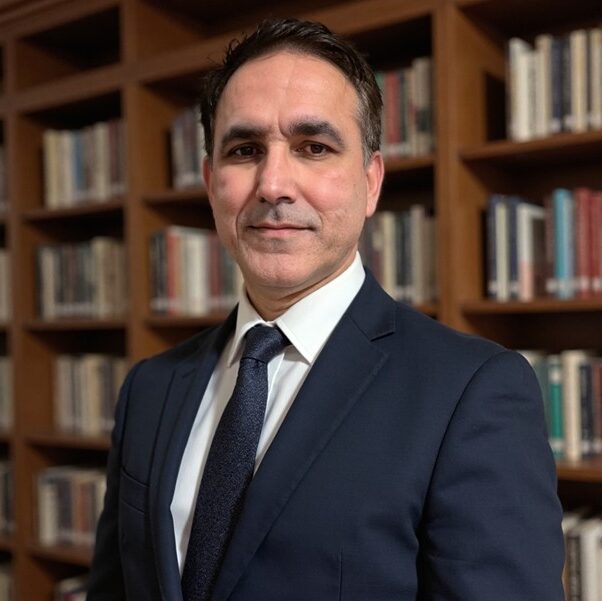
Dr. Amit Chopra, MD
Most Boston psychiatrists treat the mind. Dr. Amit Chopra treats the mind and the sleep behind it. A dual board-certified psychiatrist and sleep medicine specialist, Assistant Professor of Psychiatry at Harvard Medical School, and practicing psychiatrist at Massachusetts General Hospital, Dr. Chopra trained at the Mayo Clinic and has presented specifically on ADHD and sleep disorders in young adults to the American Society for Adolescent Psychiatry.
He founded Zen Minds Psychiatry — and built the Student Psychiatry & Sleep Program specifically — because the students who need psychiatric care most are often the ones with the least time to wait for it.
Hear From Our Clients
From patients who found their sleep again
“Following a sleep study, Dr. Chopra was able to diagnose and begin to treat a sleep disorder I’d struggled with since childhood. He’s been thoughtful about trialing different treatments and finding a combination that improves my daytime cognition — all while considering the impact on my other health conditions.”
— LT, patient for three years
“I’ve been seeing Dr. Chopra for 3 years now, and he has been really helpful. He is kind, listens, is thoughtful, and always responds quickly to my messages. Being a sleep specialist has been really beneficial in helping me treat my sleep disorders.”
— JH, patient for two years
Frequently Asked Questions (FAQ)
What is PTSD?
PTSD (Post-Traumatic Stress Disorder) is a psychiatric condition that can develop after experiencing or witnessing a traumatic event, involving intrusive memories, avoidance, negative mood changes, and heightened arousal lasting more than a month.
What are the symptoms of PTSD?
Flashbacks or nightmares, avoiding trauma reminders, negative beliefs or emotional numbness, and being easily startled, hypervigilant, or irritable.
Is PTSD only for combat veterans?
No — PTSD can develop after any traumatic experience, including assault, accidents, natural disasters, childhood trauma, medical trauma, or domestic violence, not just combat.
What causes PTSD?
PTSD follows exposure to trauma, with risk influenced by the severity of the trauma, prior trauma history, lack of support afterward, genetics, and co-occurring conditions.
How is PTSD diagnosed?
Through a clinical interview evaluated against DSM-5 criteria, confirming symptoms across all four categories have lasted more than a month and cause real impairment.
What's the difference between PTSD and Complex PTSD (C-PTSD)?
C-PTSD describes PTSD arising from prolonged or repeated trauma, often starting in childhood, and typically includes additional difficulties with emotional regulation and self-concept beyond standard PTSD symptoms.
What treatments work best for PTSD?
Trauma-focused psychotherapy (such as CPT, prolonged exposure, or EMDR) is the most effective treatment, often combined with medication for symptoms like sleep disruption, anxiety, or depression.
Do I have to talk about the trauma in detail to get diagnosed or treated?
No — diagnosis doesn’t require reliving every detail. Treatment paces trauma processing according to what you’re ready for, not a fixed script.
Can PTSD develop years after the traumatic event?
Yes — delayed-onset PTSD, where symptoms don’t fully appear until months or years later, is a recognized pattern, and treatment can still be very effective at that point.
Is PTSD connected to sleep problems?
Yes — nightmares and insomnia are core PTSD symptoms, and addressing sleep directly is an important part of full recovery.